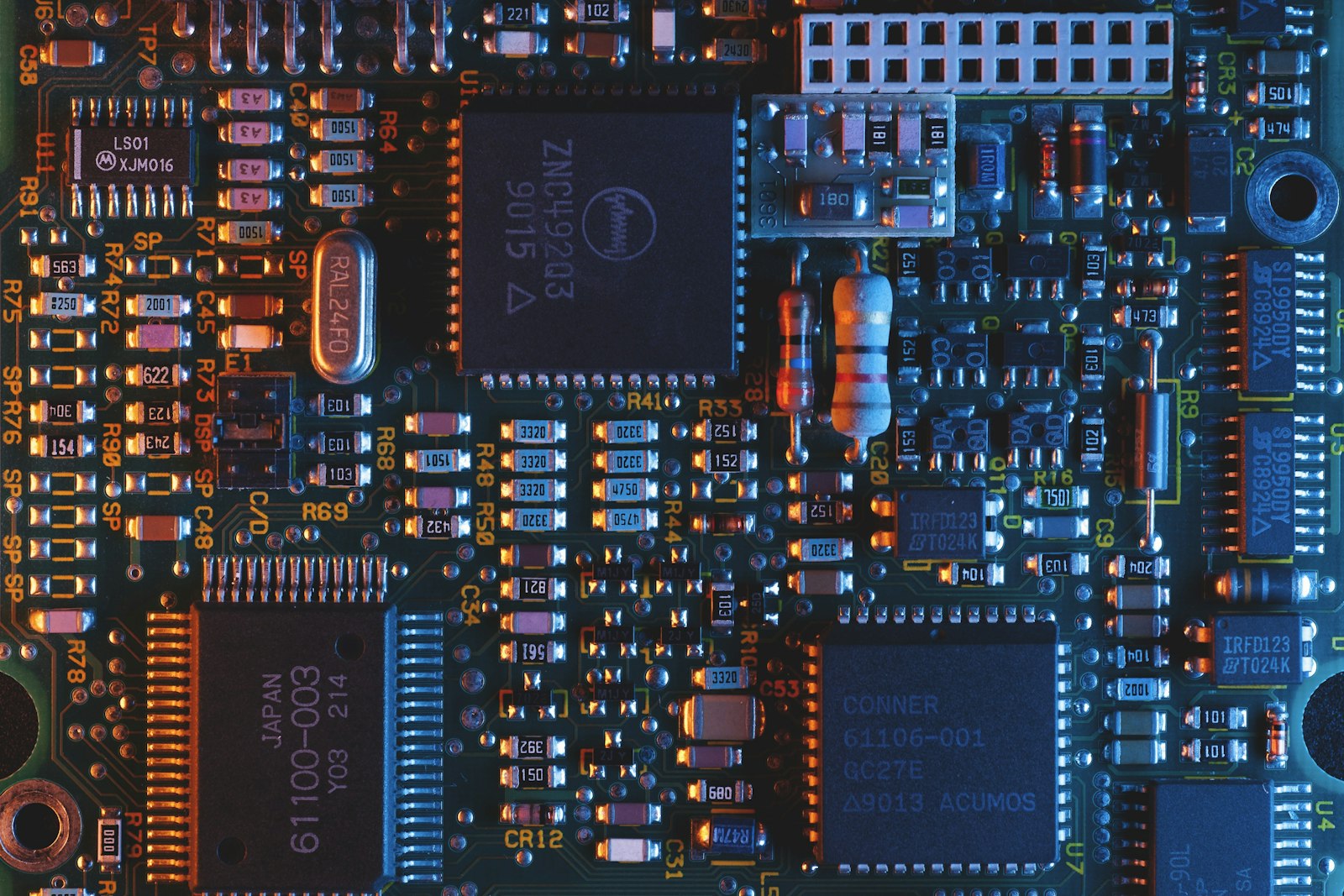
OpenAI just showed off its first custom chip. It’s called Jalapeño, it was built with Broadcom, and it’s designed to do one thing really well: run AI models cheaper and faster than the GPUs everyone else uses. If you’re a service business paying for AI tools, this is the kind of upstream move that eventually shows up in your monthly bill.
The OpenAI custom chip isn’t just a vanity project. It’s a direct play to cut the company’s dependence on NVIDIA, which currently supplies the expensive GPUs that power most AI workloads. Google and Amazon already have their own custom AI chips. Now OpenAI is joining that club.
What happened
- OpenAI unveiled Jalapeño, its first custom-built inference processor, designed and manufactured with Broadcom.
- The chip is built specifically for inference (running pre-built AI models in response to user requests), not for training new models from scratch.
- OpenAI’s own AI models helped design the chip.
- The partnership with Broadcom was officially announced back in October 2025, but the chip itself is now real hardware being tested.
- OpenAI says early results show significantly better performance-per-watt than current alternatives.
- The company emphasized low operating costs when running real-time coding models specifically.
- Heavy-duty tasks like pre-training will likely still run on NVIDIA hardware.
The numbers
OpenAI was light on hard benchmarks in this announcement. Here’s what we do know:
- Early testing shows significantly better performance-per-watt compared to current options (OpenAI’s words, no specific percentage given yet).
- The chip is still in the testing phase, so public benchmarks haven’t dropped.
- OpenAI highlighted real-time coding model inference as the sweet spot for low operating costs.
We’ll need to wait for independent benchmarks before anyone can put a dollar figure on the savings. But the direction is clear.
5 things every service business operator should know about this chip
- Inference is where your money goes. Training a model happens once. Inference (actually using the model to answer questions, write code, process documents) happens millions of times a day. That’s the expensive part for you as a customer. A cheaper inference chip means cheaper API calls down the road.
- Vertical integration is accelerating. OpenAI now builds the models, the products (like Codex), the data centers, and now the chips. As Greg Brockman put it, they have “a deep understanding of the workload” and they’re building hardware to match. This is the playbook Google and Amazon already run.
- NVIDIA isn’t going anywhere yet. Pre-training (the massive compute job that creates a model in the first place) will still lean on NVIDIA GPUs. But inference is where the volume lives, and that’s exactly where Jalapeño is aimed.
- Competition on chips means competition on price. When OpenAI, Google, and Amazon are all building their own inference silicon, they’re each trying to undercut the cost of running AI. That pressure flows downhill to you as the end user. Expect pricing wars on AI APIs over the next 12 to 18 months.
- Custom chips reward specialization. A general-purpose GPU can do anything. A custom inference chip does one thing extremely well. This is why OpenAI says it can optimize “chip architecture, kernels, memory systems, networking, scheduling, deployment systems, and product experience” all around the same goal. Purpose-built beats general-purpose when you know exactly what you need.
The hot take
This is the moment AI stopped being a software story and became a hardware story. OpenAI building its own silicon means the company believes the path to profitability runs through controlling the physical layer, not just the model layer. And they’re right. The companies that own their inference stack will set the price floor for AI services. Everyone renting NVIDIA GPUs on the open market will be paying a premium by comparison. If you’re betting your business on AI tools from a provider that doesn’t control its own chips, you’re betting on the most expensive option long-term.
The Agency OS play
You don’t need to care about chip architecture. You need to care about what it does to your costs. Here’s the practical move: start tracking your AI spend by workload type right now. Break it into categories. How much do you spend on document processing? On code generation? On customer-facing chat? On internal search? When inference prices drop (and they will), you want to know exactly which workloads benefit most so you can shift budget or scale usage.
Second, don’t lock yourself into long-term commitments on AI infrastructure pricing. If you’re negotiating annual contracts with cloud providers or AI API vendors, build in price adjustment clauses. The hardware economics underneath these services are about to shift. A deal that looks fair today could look expensive in six months when cheaper inference chips are running production workloads.
Finally, use this moment to benchmark. Run your most common AI tasks across at least two providers. Measure cost per task, latency, and output quality. Keep a simple spreadsheet. When OpenAI (or Google, or Amazon) rolls out inference pricing powered by custom silicon, you’ll have a baseline to compare against. The operators who know their numbers will capture the savings. Everyone else will keep paying whatever shows up on the invoice.