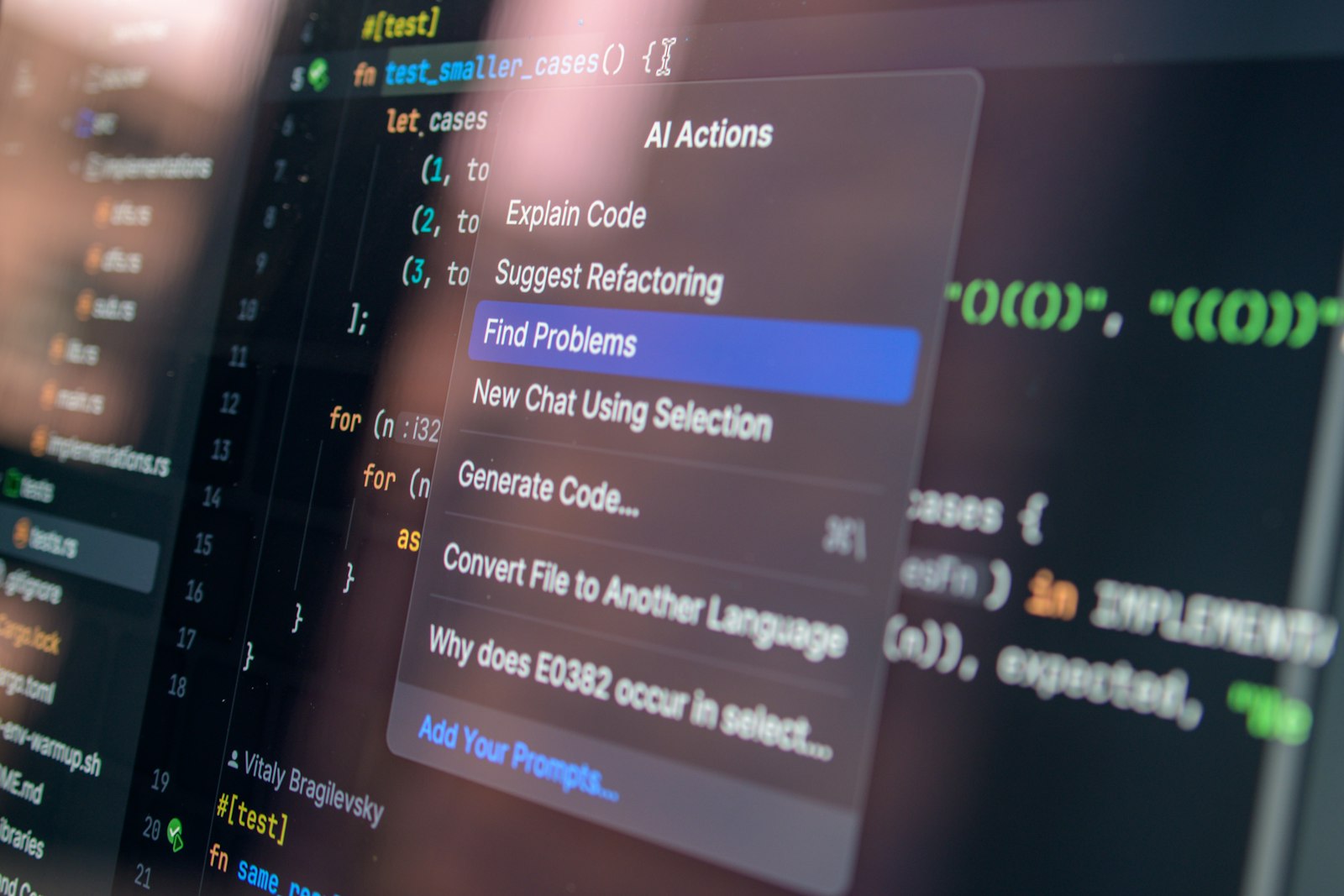
OpenAI just made its biggest enterprise play yet for Codex. The company launched Codex Labs, a new program designed to help large organizations deploy AI-powered code generation across their entire software development process. And they’re not doing it alone. Accenture, PwC, Infosys, and other major consulting firms are signed on as partners to help enterprises get Codex up and running.
If you run a service business, this matters. Not because you’re going to deploy Codex at Accenture scale. But because OpenAI just formalized the playbook for how AI code generation goes from “cool demo” to “line item on an enterprise budget.” That changes the market for everyone.
What happened
- OpenAI launched Codex Labs, a dedicated program for helping enterprises adopt Codex across the full software development lifecycle.
- Major consulting partners are on board. Accenture, PwC, Infosys, and others will help companies deploy and scale Codex inside their organizations.
- Codex has hit 4 million weekly active users (WAU). That’s the number OpenAI shared alongside the announcement.
- The focus is clear: OpenAI wants Codex to be an enterprise product, not just a developer toy. The consulting partnerships signal real go-to-market infrastructure behind it.
The numbers
- 4 million weekly active users on Codex.
- 3+ major consulting partners (Accenture, PwC, Infosys) committed to enterprise deployment.
- OpenAI is targeting the entire software development lifecycle, not just code completion.
5 things every service business operator should take from this
- AI code generation just got a sales force. When Accenture and PwC start selling Codex to their clients, adoption won’t be gradual. It’ll be fast. Thousands of enterprises will hear the pitch in the next quarter alone. That creates a wave of demand for implementation help.
- The “full lifecycle” framing is new and important. OpenAI isn’t positioning Codex as an autocomplete tool anymore. They’re saying it belongs in planning, testing, deployment, and maintenance. That’s a much bigger surface area for businesses to cover.
- Consulting firms are the distribution channel now. OpenAI picked partners who already sit inside enterprise IT budgets. This means Codex doesn’t need to win a separate procurement fight. It rides in on existing relationships.
- 4M WAU proves there’s pull, not just push. That’s a real number. Developers are already using this. The enterprise program is OpenAI catching up to where its users already went, then putting structure around it.
- The gap between “using AI” and “deploying AI at scale” is where the money is. Every company that tries Codex will need help with security reviews, workflow integration, training, compliance, and custom tooling. That’s services work. That’s your opportunity.
The hot take
OpenAI just admitted something important: the model alone isn’t enough. If Codex could sell itself, you wouldn’t need Accenture in the room. The fact that OpenAI is building a formal consulting partner channel tells you that enterprise AI deployment is a services problem, not a technology problem. The hard part isn’t generating code. It’s getting a 10,000-person organization to trust it, integrate it, and change how they work. That’s consulting. That’s implementation. And that’s exactly where smaller, faster operators can compete with the big firms on specific verticals.
The Agency OS play
Here’s what you should actually do this week. First, if you haven’t used Codex seriously yet, block out two hours and build something real with it. Not a hello-world demo. Use it on a client project. You need firsthand experience with its strengths and limitations before you can advise anyone else on it.
Second, look at your client base and ask: which of these businesses have internal dev teams or outsourced development? Those are your targets. The enterprises will get served by Accenture and PwC. But mid-market companies (law firms with custom software, healthcare practices with internal tools, real estate platforms, ecommerce brands with dev teams of 5 to 20) won’t get a call from PwC. They’ll need someone to help them figure out where Codex fits, how to set it up safely, and how to train their developers to use it without breaking things. That someone could be you.
Third, start packaging. Build a simple “AI code generation readiness assessment” you can run for clients in a week. Cover their current dev workflow, security requirements, and the three or four places where Codex would save the most time. Price it as a fixed-fee engagement. Deliver a clear report with recommendations. That’s your foot in the door for the implementation work that follows. The consulting giants just validated the market. Now move faster than they do.