Most cloud platforms were built for humans who push code a few times a day. Railway thinks that era is ending. The company, founded in 2020 by former Uber engineer Jake Cooper, is now positioning itself as the deployment platform for AI agents that need to spin up services, fork environments, and iterate at a pace no human developer could match.
If you run a service business and you’re starting to build (or buy) agent-native cloud infrastructure, this matters. The way software gets deployed is about to change underneath you.
What happened
- Railway hit 3 million users with a 35-person team, adding roughly 100,000 new signups per week.
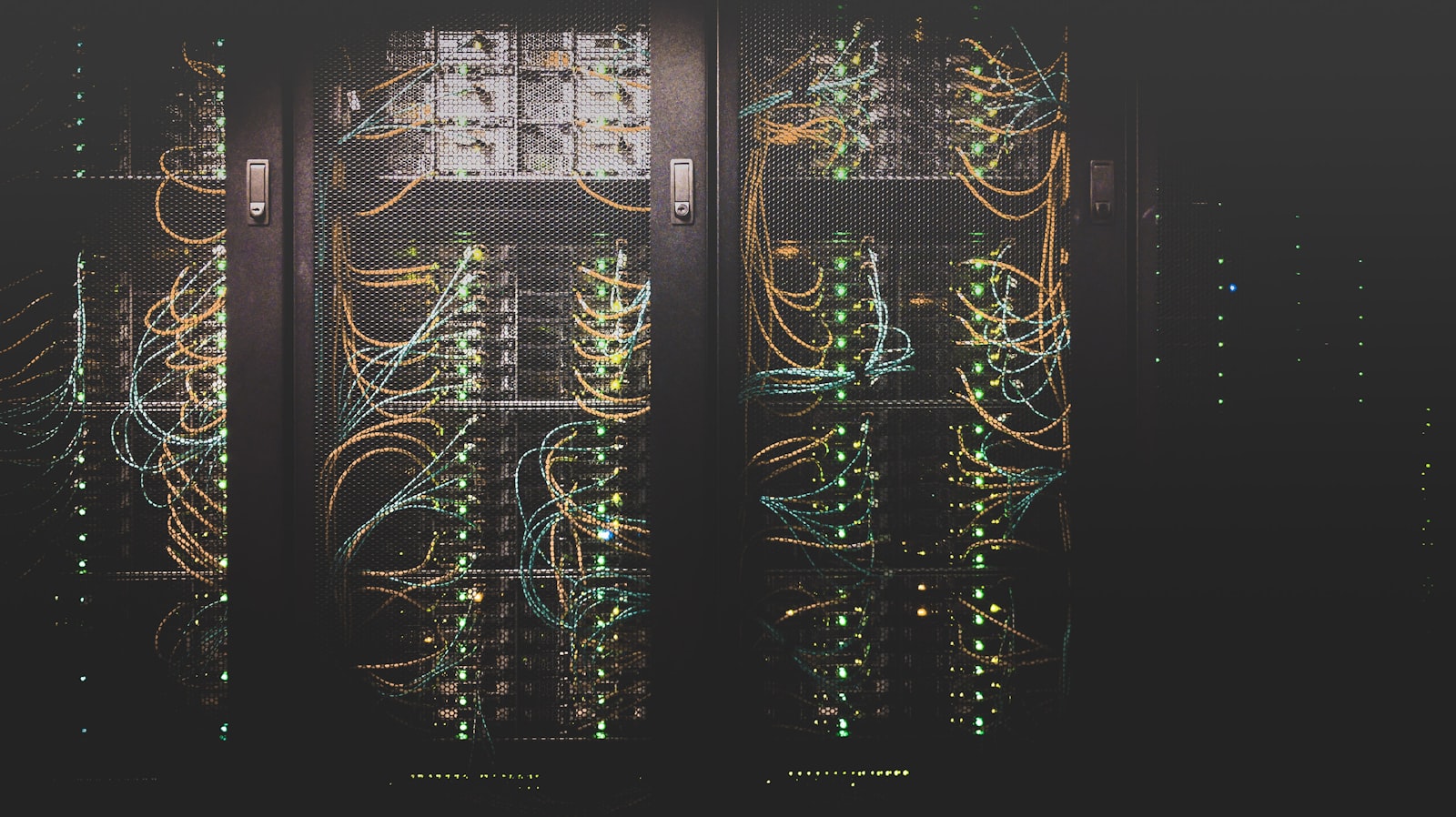
- The company raised $124 million and moved most workloads onto its own bare-metal data centers, cutting out traditional cloud middlemen.
- Railway is building agent-native features like production forks (parallel copies of your live environment), content-addressable filesystems, and CLI-first interfaces designed for AI agents, not just humans.
- Founder Jake Cooper argued the pull request is dying. In an agent-driven world, changes roll out progressively via feature flags and shadow traffic instead of sitting in a PR queue waiting for human review.
- The company also suffered a major GCP outage on May 19, despite multi-zone redundancy, because workload discoverability was still tied to GCP. They published a full post-mortem.
The numbers
- 3 million users on the platform today.
- 100,000 signups per week and accelerating.
- 35 employees supporting the entire operation.
- $124 million raised.
- 3-month payback period on their bare-metal data center hardware, compared to renting cloud capacity.
- 70% margins on owned infrastructure, which funds cloud bursting when demand spikes.
- $200K+ monthly spend on coding agents internally, used to accelerate Railway’s own roadmap.
- Their server hardware has actually appreciated in value as RAM prices climbed, meaning their physical assets now exceed the capital they raised.
5 things service businesses should know about agent-native infrastructure
- Agents need different infrastructure than humans do. A human developer might deploy a few times a day. An AI agent might spin up dozens of environments, test changes in parallel, and tear them down in minutes. Traditional CI/CD pipelines weren’t built for that volume. Railway is designing for agents as “the next dominant software species.”
- Bare metal is back, and the economics are wild. Railway’s own data centers pay for themselves in three months. That’s not a typo. Owning hardware at scale gives them 70% margins and lets them undercut traditional cloud pricing. If you’re paying AWS or GCP bills for agent workloads, you’re probably overpaying.
- The CLI matters more than the dashboard in an agent world. Agents don’t click buttons in a web UI. They need programmatic access to everything: deploying code, forking environments, rolling back changes. Railway is betting that the command line interface becomes the primary way software gets shipped, because that’s what agents can actually use.
- Production forks change how you test. Instead of maintaining a separate staging environment that’s always slightly out of date, Railway lets you clone production into a parallel universe, make changes, validate them, and collapse them back. For agents running autonomously, this is a safety net that actually works.
- Feature flags replace pull requests. Cooper’s argument is that the old flow of branch, PR, review, merge, deploy is too slow and too human-centric for an agent-driven world. Instead, changes roll out progressively as percentages. If something breaks for 1% of users, you catch it before it hits everyone. JPMorgan should be last in line for the new patch, not first.
The hot take
Railway is right that the current deployment stack is broken for agents, but most service businesses don’t need to care about bare-metal economics yet. What they do need to care about is whether their infrastructure can handle agents deploying code autonomously. If your current setup requires a human to click “merge” or manually approve a deployment, you’ve got a bottleneck that will matter in six months. The companies that figure out agent-safe deployment pipelines first will ship 10x faster than the ones still running everything through PR reviews. Railway isn’t the only answer here, but they’re asking the right question.
The Agency OS play
If you’re running a service business and you’ve started experimenting with AI agents (coding agents, support agents, workflow agents), take a hard look at your deployment pipeline this week. Ask yourself: could an agent deploy a change to production right now without a human in the loop? If the answer is no, that’s your bottleneck. Start by setting up feature flags and progressive rollouts so changes can go live incrementally instead of all at once. Tools like LaunchDarkly or even simple environment-variable toggles will get you started.
Next, look at your cloud bill. If you’re running agent workloads on traditional cloud and paying per-hour for instances that sit idle between tasks, you’re burning money. Explore platforms like Railway that offer instant scale-up and scale-down. Even if you don’t move everything, moving your agent workloads to a platform designed for short-lived, bursty compute can cut costs significantly.
Finally, start thinking about environment isolation. When agents are making changes autonomously, you need a way to test those changes safely before they hit real users. Set up a system where agents can fork your production environment, run their changes, and validate results before merging anything back. This isn’t optional anymore. It’s the difference between agents that help you and agents that break things at 3 AM.